
The Vital Role of Nutrition in Dialysis
In the treatment of chronic kidney failure, a high-tech dialysis machine and a good physician are not enough on their own; one of the most inseparable, most critical parts of dialysis is medical nutrition therapy (Dietitian Service). Extra fluids and electrolytes like potassium, phosphorus, and sodium, which a healthy kidney excretes from the body, accumulate in the blood in case of kidney failure and can cause fatal risks between sessions.
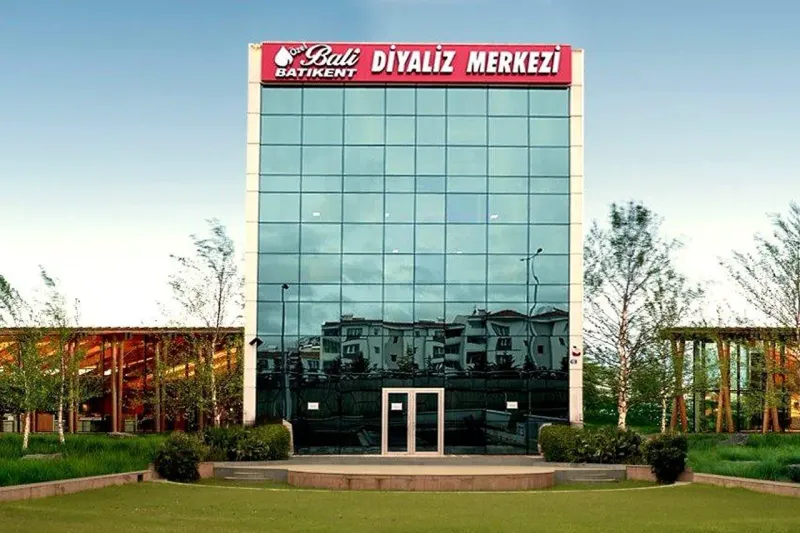
As Bali Dialysis Center, our designated full-time "Nephrology and Dialysis Dietitian" expert follows each of our patients one-on-one to support the treatment and prevent potential complications. A dialysis patient's nutrition involves entirely different disciplines than a healthy person, or even a pre-dialysis stage patient.
Individualized (Personalized) Nutrition Planning
Our dietitian takes a detailed nutritional history (anamnesis) for each patient registering at our center. The patient's age, dry weight target, accompanying diseases (such as Diabetes, Hypertension, Cholesterol, or Gout conditions), and monthly laboratory biochemistry test results are evaluated.
- In line with this evaluation, specifically calculating calorie, carbohydrate, and most importantly protein requirements, exclusively customized diet lists completely integrated into the patient's eating habits and aesthetic tastes are created.
- Amino acids (protein building blocks) are also physically excreted from the body with blood during the dialysis procedure, so dialysis patients are ensured to consume high biological value quality proteins (meat, eggs, fish, etc.). Our dietitian adjusts this ratio within medical limits.
Fluid and Electrolyte (Potassium, Phosphorus) Control Training
The amount of fluid a dialysis patient should intake between two dialysis sessions (approximately 48 or 72 hours) is severely restricted. Not only water; tea, soup, fruit juice, and even the fruit itself heavily burdens the heart and lungs in an anuric patient (without urine output), causing edema (fluid overload).
In every visit, our dietitian teaches our patients:
- Fluid Restriction Tips: Practical methods to quench thirst such as sucking on ice cubes, adding lemon drops, and consuming unsalted / salt-free spices.
- Potassium Control: Education on how to stay away from high-potassium foods like bananas, apricots, melons, potatoes, and nuts that pose a cardiac arrest risk due to high blood potassium, or how to reduce the potassium in these foods by boiling and discarding the water.
- Phosphorus and Salt: To stop bone depletion, vascular calcification, and severe skin itching, phosphorus-containing milk, cheese, packaged processed foods, and acidic beverages like cola are meticulously explained on the forbidden list. The hypertensive and thirst-inducing effect of sodium (salt) consumption is visually adopted by the patient through graphs.
In-Center Treats and Regular Follow-up
During the session, Bali Dialysis Center offers personalized low-phosphorus and sodium treats / breakfasts containing "light sandwiches, special cheeses, or diet biscuits," formulated personally by our institution's physician and dietitian, to stabilize our patients' blood pressure or blood sugar fluctuations.
When the laboratory results come at the end of every month, our dietitian goes to the patient's chair and reads their report card. Protein supplements are provided to patients whose albumin levels have fallen, and diet tightening and retraining are carried out for patients whose potassium has risen; family members (patient's spouse/children) are also instructed on how they should cook the meals properly. In our center, diet service is not merely a piece of paper, but a dynamic coaching process maintained for life.